By Brazil Stock Guide – Unipar (B3: UNIP3/UNIP5/UNIP6) posted a R$107 million net profit in the third quarter of 2025, a 9% year-on-year drop and a 54% sequential decline. The contraction reflects weaker global spreads for PVC and caustic soda, a stronger real and lower operating rates in Argentina. Recurring Adjusted EBITDA reached R$266 million, down 13% from the second quarter but up 14% from a year earlier.
Net revenue totaled R$1.261 billion, slipping 1% from the previous quarter and 8% from 3Q24. The recurring EBITDA margin stood at 20%, supported by higher domestic sales volumes even as PVC reference prices fell 5% and caustic soda prices dropped 11%. A 4% appreciation of the Brazilian real also hurt revenue and margins.
Operating Pressures and Argentina Impact
Average electrolysis utilization reached 80% in Brazil and 67% in Argentina, both below the prior quarter as the company adjusted loads to manage inventories amid softer demand. Adjusted cost of goods sold totaled R$919 million, stable for the quarter, but still influenced by dollar-linked raw materials such as ethylene and salt.
Hyperinflation accounting in Argentina (IAS 29) and currency translation continued to affect reported numbers without cash impact. Excluding these effects, recurring EBITDA shows resilience driven by long-term supply contracts and Unipar’s growing base of renewable self-generation.
Strengthened Cash and Longer Debt Profile
Unipar completed its largest debenture issuance ever — R$900 million, in seven- and ten-year series — which allowed the early redemption of the 6th and 7th issuances. The deal extended the company’s average debt maturity to 76 months. Net debt stood at R$1.587 billion, with leverage at 1.12x EBITDA.
Cash and equivalents closed the quarter at R$1.720 billion, enough to cover 47 months of amortizations. About 90% of all debt matures only after 2029, reducing refinancing risk. Unipar also drew new credit lines from BNDES and ECA to fund the modernization of the Cubatão facility.
An executive said the quarter marked “a decisive step in strengthening the company’s funding structure,” citing improved liquidity and longer tenors.
What’s at Stake
The chemical sector remains under pressure from oversupply and weak demand abroad. Unipar counters this backdrop with three levers: renewable energy self-production, cost discipline and its focus on local markets in Brazil and Argentina, which accounted for 92% of quarterly revenue.
Renewable output covered 63% of electricity consumption in Brazil’s plants, despite a 17% curtailment imposed by the grid operator ONS. The company also exercised its option to acquire full ownership of Solalban Energía in Argentina, securing long-term power competitiveness for its Bahía Blanca operations.
Strategic Projects and Capacity Expansion
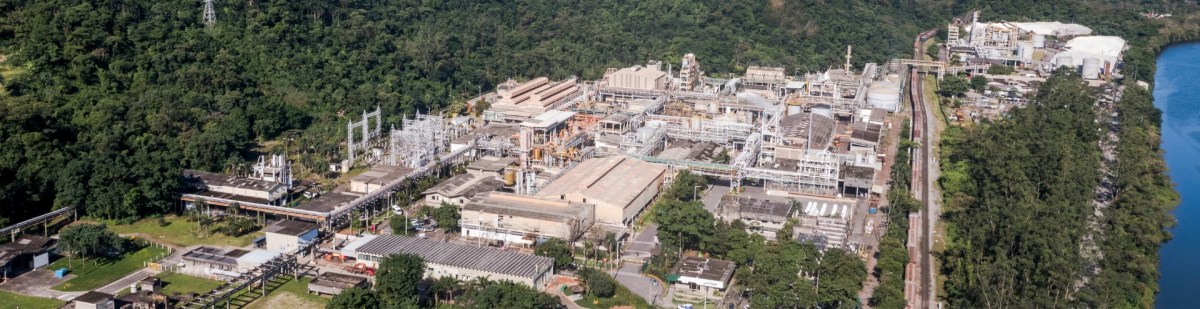
The modernization of the Cubatão plant is nearing completion on schedule. In Santo André, the company is finalizing a 6 kta expansion of PVC-Emulsion capacity, equivalent to a 25% increase.
Outlook
Management expects continued volatility in global reference prices, energy costs and exchange rates through year-end. Still, gains from the modernization projects, higher self-generation and a healthier debt profile may support margins in 2026.